




Penis extenders explained accurately must begin with one fact: the term is used for two very different product categories. One is a wearable sleeve-style product that adds an outside profile while it is worn. The other is a separate device that uses rods, straps, or another attachment system to apply tension over time.
Treating those categories as interchangeable creates bad expectations. A shopper may think a soft silicone product is traction hardware, or assume a traction device is intended for intimate use. The construction and mechanism settle the question faster than the marketing label.
Sensual Extensions handcrafts each custom penis sleeve from 100% platinum-cure, body-safe silicone in a seamless one-piece mold. For the category’s basic anatomy first, read the plain definition of a penis sleeve. This article stays focused on what the extender label means and how the two mechanisms differ.
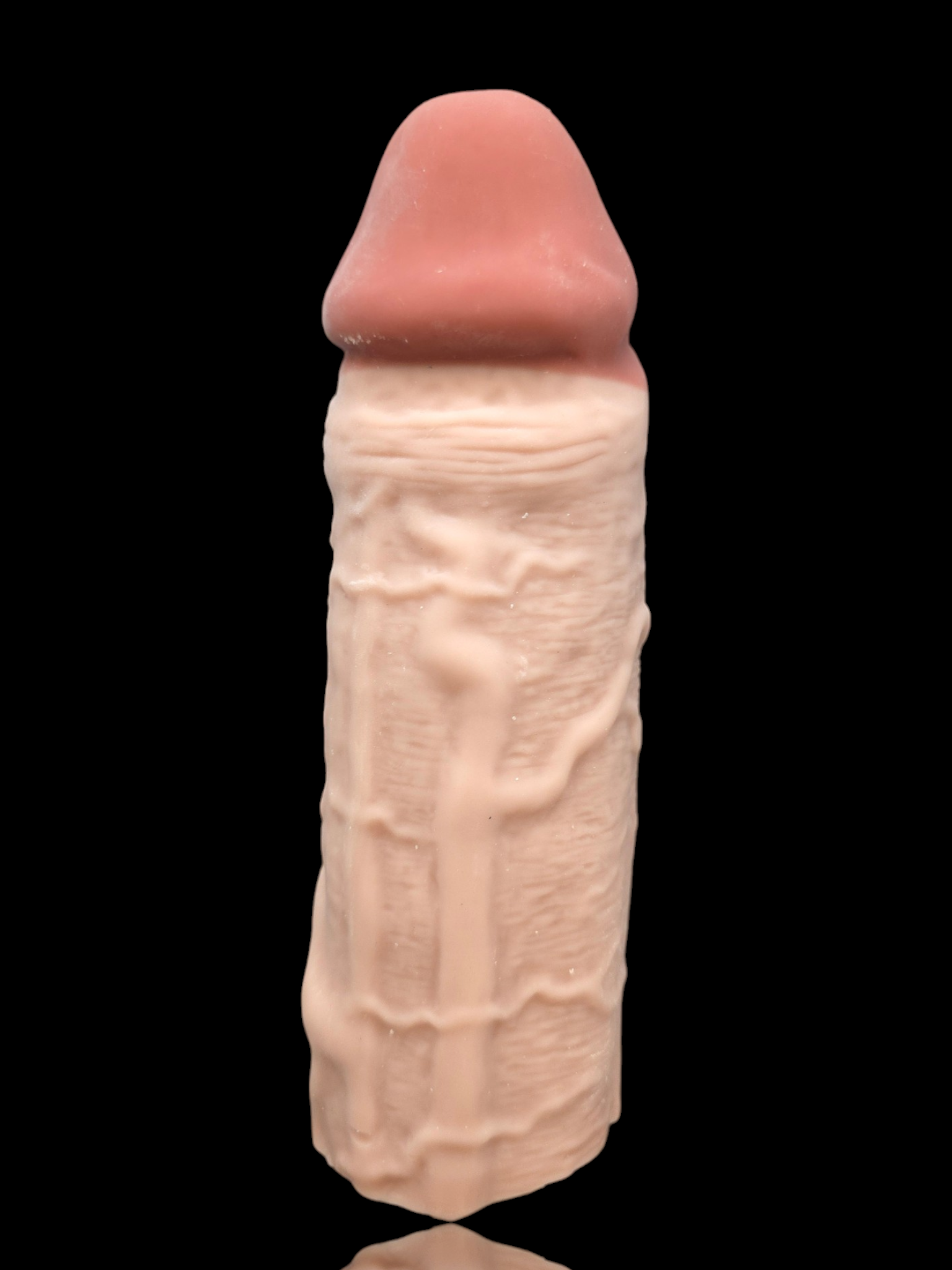
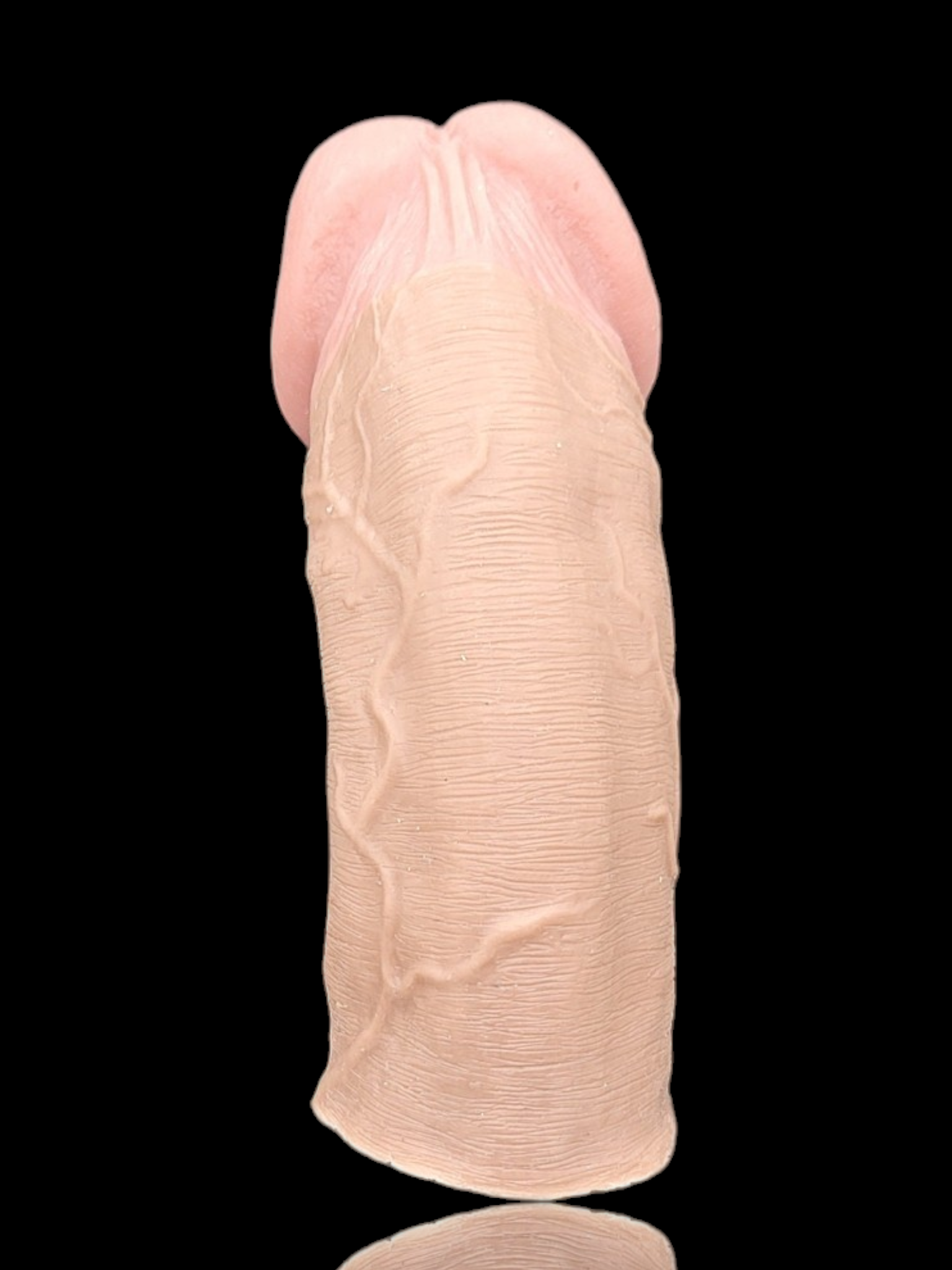
Why the Penis Extender Label Causes Confusion
Search results, product menus, and everyday conversation do not always use extender in the same way. In one context, extender describes a wearable outer form that adds temporary outside length or girth. In another, it describes hardware designed around repeated tension. The shared word does not create a shared function.
Start by looking at the object. Flexible silicone with an internal channel and finished outer body points to the sleeve-style category. A frame, adjustable rods, tension controls, or a separate attachment system points to traction hardware. If the page does not show the construction clearly, ask before assuming what the product does.
| Label clue | What the product is likely to be | What still needs confirmation |
|---|---|---|
| Wearable sleeve-style extender | A flexible outer form worn over the body | Internal fit, outside dimensions, density, and application |
| Traction extender | Hardware intended to apply controlled tension | Manufacturer, instructions, intended use, and professional guidance |
| Enhancement extender | An ambiguous marketing phrase | Construction and mechanism |
| Medical or therapeutic wording | A claim requiring reliable support | Regulatory status, evidence, and qualified advice |
A label can help you find a category, but it cannot replace product documentation. Clear specifications should tell you what touches the body, how the product is secured, when it is meant to be used, and what kind of change is temporary or intended over time.
How a Sleeve-Style Extender Works
A sleeve-style extender works as a fitted outer layer. The wearer sits inside an internal channel, while the product’s exterior creates the visible length, girth, firmness, texture, or combination selected for the build. Movement transfers through the flexible material to the outer surface.
The change exists while the product is worn. Removing it removes the added outside profile. That simple boundary matters because it prevents a temporary wearable product from being described as a permanent body-change method.
Internal measurements and exterior goals are separate decisions. The opening and channel relate to the wearer. The outer dimensions relate to the profile and experience being created. Sensual Extensions supports custom construction, single through quad density options, and eligible Ultra Skin or Ultra Finish choices, but none of those features changes the underlying sleeve-style mechanism.
- Flexible material surrounds the wearer instead of pulling through a rigid frame.
- Fit and application keep the internal channel aligned during use.
- Outside dimensions create a temporary visible and contact profile.
- Density and finish change product behavior, not the definition of the category.

How a Traction Device Works
A traction device belongs to a different mechanical category. It typically uses a base, adjustable structure, and attachment point to create directional tension. It is not defined by a silicone outer body, and it should not be assumed to serve the same use context as a wearable sleeve-style product.
This terminology guide does not prescribe tension, wear time, schedules, or expected results. Those details depend on the specific device, its official instructions, the user’s health circumstances, and any advice from a qualified health professional. Claims about permanent change, medical treatment, or guaranteed timelines require evidence that a general product label cannot provide.
If a product page uses words such as traction, therapy, clinical, or permanent, check who made the product, what documentation supports the wording, and whether the intended use is clearly stated. Do not borrow a schedule from a different model or treat discomfort as proof that the device is working.
| Mechanical question | Sleeve-style product | Traction device |
|---|---|---|
| Main structure | Flexible fitted outer form | Frame, rods, straps, or comparable hardware |
| Primary action | Creates an outside profile while worn | Applies directional tension according to device instructions |
| Typical context | Intimate use when the product is designed for it | A separate routine defined by the manufacturer |
| Key documentation | Measurements, density, application, and care | Intended use, adjustment method, warnings, and support |
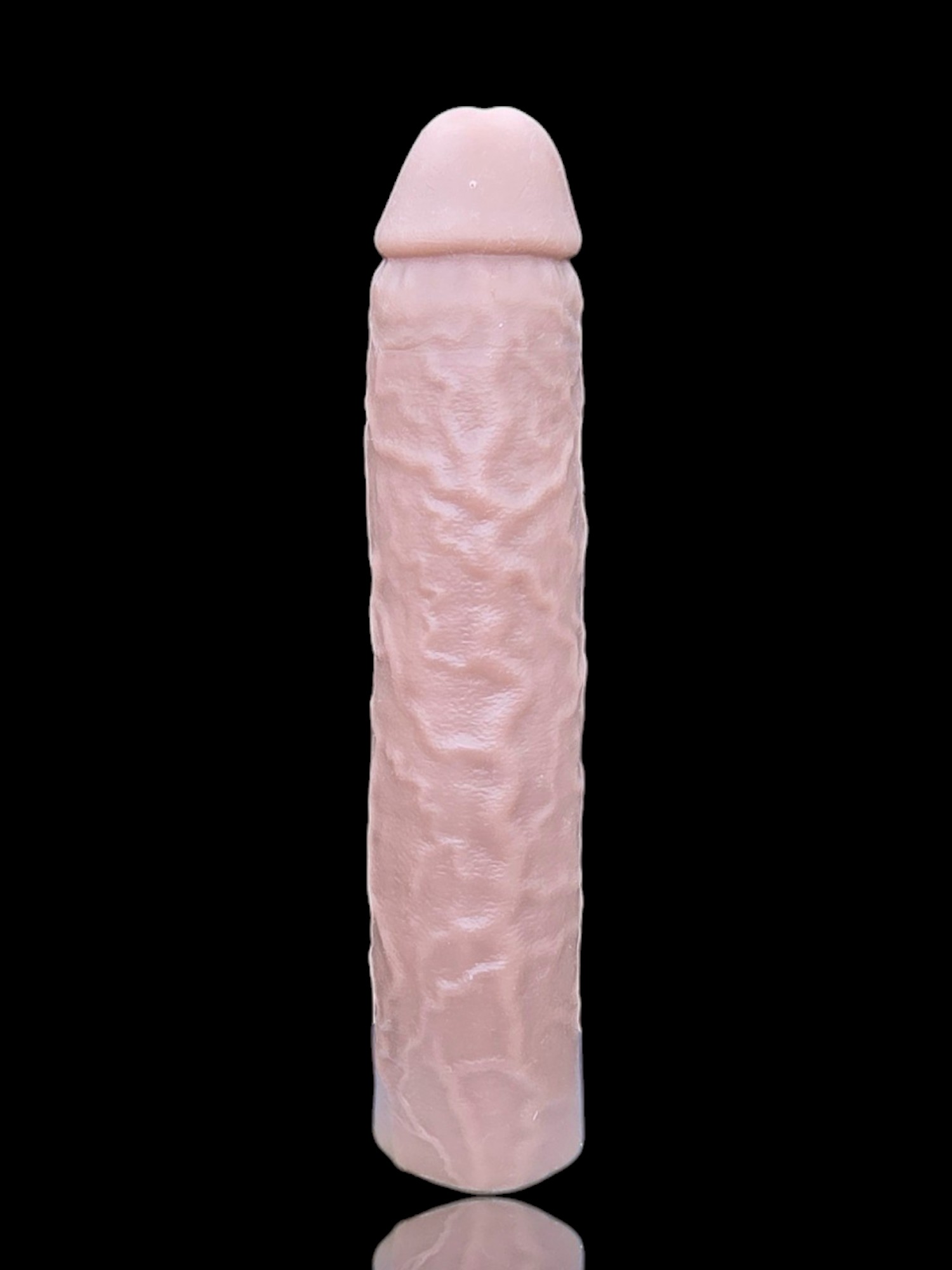
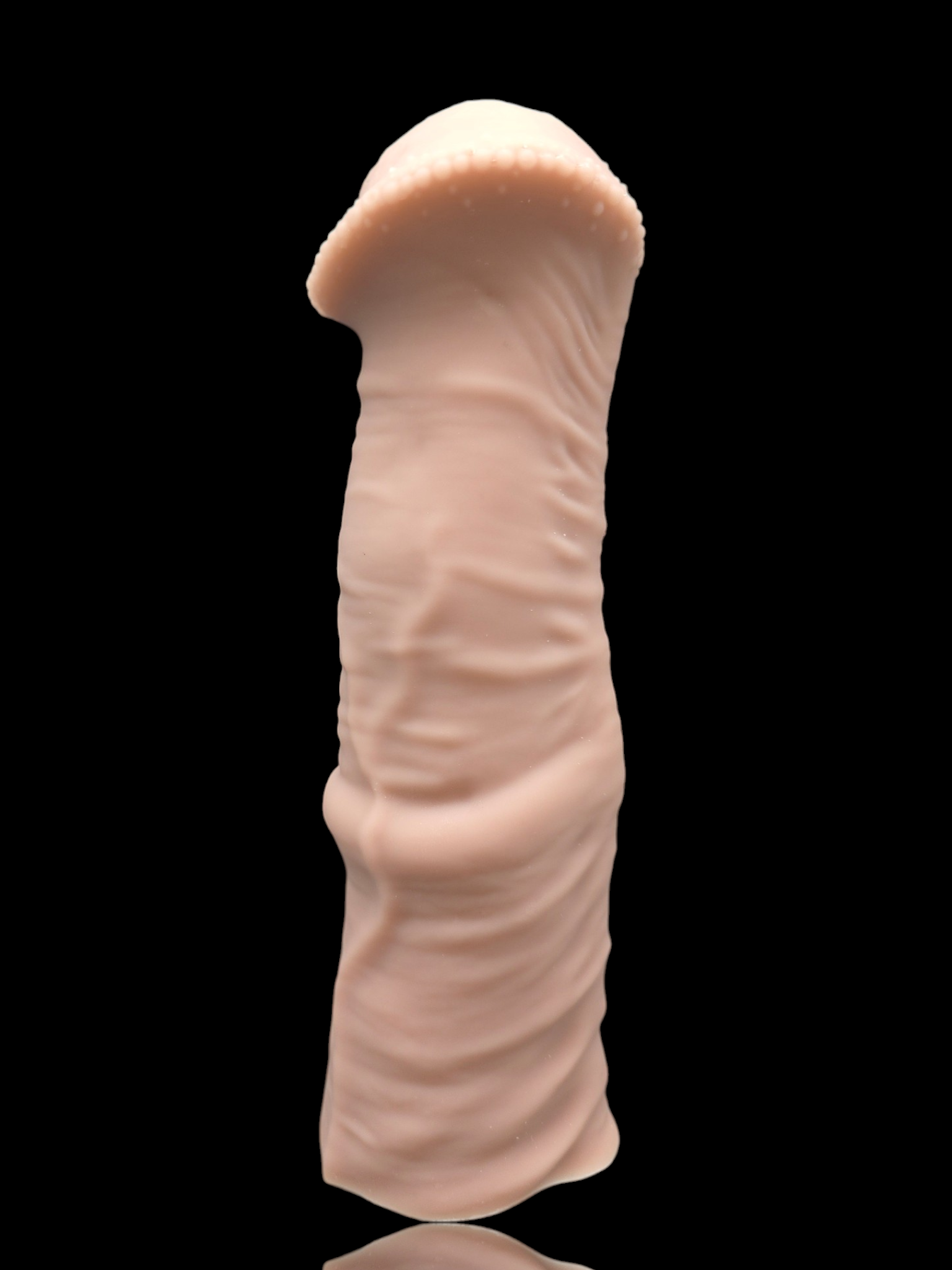
What to Expect From Each Category
Expectation should follow mechanism. With a sleeve-style extender, the immediate question is whether the product fits, aligns, and creates the intended outside dimensions during use. With traction hardware, the immediate question is whether the exact device, instructions, and claims are credible and appropriate for the person considering it.
Do not compare the categories only by speed. They solve different kinds of problems and demand different decisions. One changes the experience while worn. The other is built around a tension routine and carries claims that must be evaluated on their own evidence.
If your real question is which category better matches a specific objective, continue to the goal-based sleeve and extender comparison. That page owns the decision worksheet. This one gives you the vocabulary needed to use it correctly.
| Expectation | Sleeve-style product | Traction device |
|---|---|---|
| When the physical effect is present | While the product is worn | Depends on the device and supported claim |
| First setup priority | Fit, orientation, application, and comfort | Official instructions, adjustment controls, and warnings |
| Main evidence to review | Measurements, material, construction, and product guidance | Manufacturer documentation and qualified professional advice |
| Reason to pause | Pain, damage, repeated movement, or unclear application | Pain, numbness, damage, unclear settings, or unsupported claims |
Questions That Identify the Product Before You Choose
A short identification check prevents most terminology errors. Ask what the product is made from, how it stays in position, whether it has an internal channel, whether it uses adjustable tension, and when the manufacturer says it should be used. The answers should describe one coherent mechanism.
- Is the product a flexible outer form or a hardware system?
- Does it create a temporary outside profile or apply tension over time?
- Is intimate use part of the stated purpose, or is it a separate routine?
- Are measurements, materials, instructions, and warnings easy to find?
- Does the seller separate verified facts from broad marketing language?
For a guided product path within the Sensual Extensions catalog, use the Penis Sleeve Product Finder. It narrows the wearable category without implying that every product called an extender uses traction.
Where Sensual Extensions Fits in the Terminology
Sensual Extensions focuses on handcrafted, fully customizable silicone construction. Its products use an internal fit and finished outer form, with options that can change length, girth, texture, firmness, color, and coverage while the product is worn. More than 500 verified five-star customer reviews support the brand’s experience with custom work.
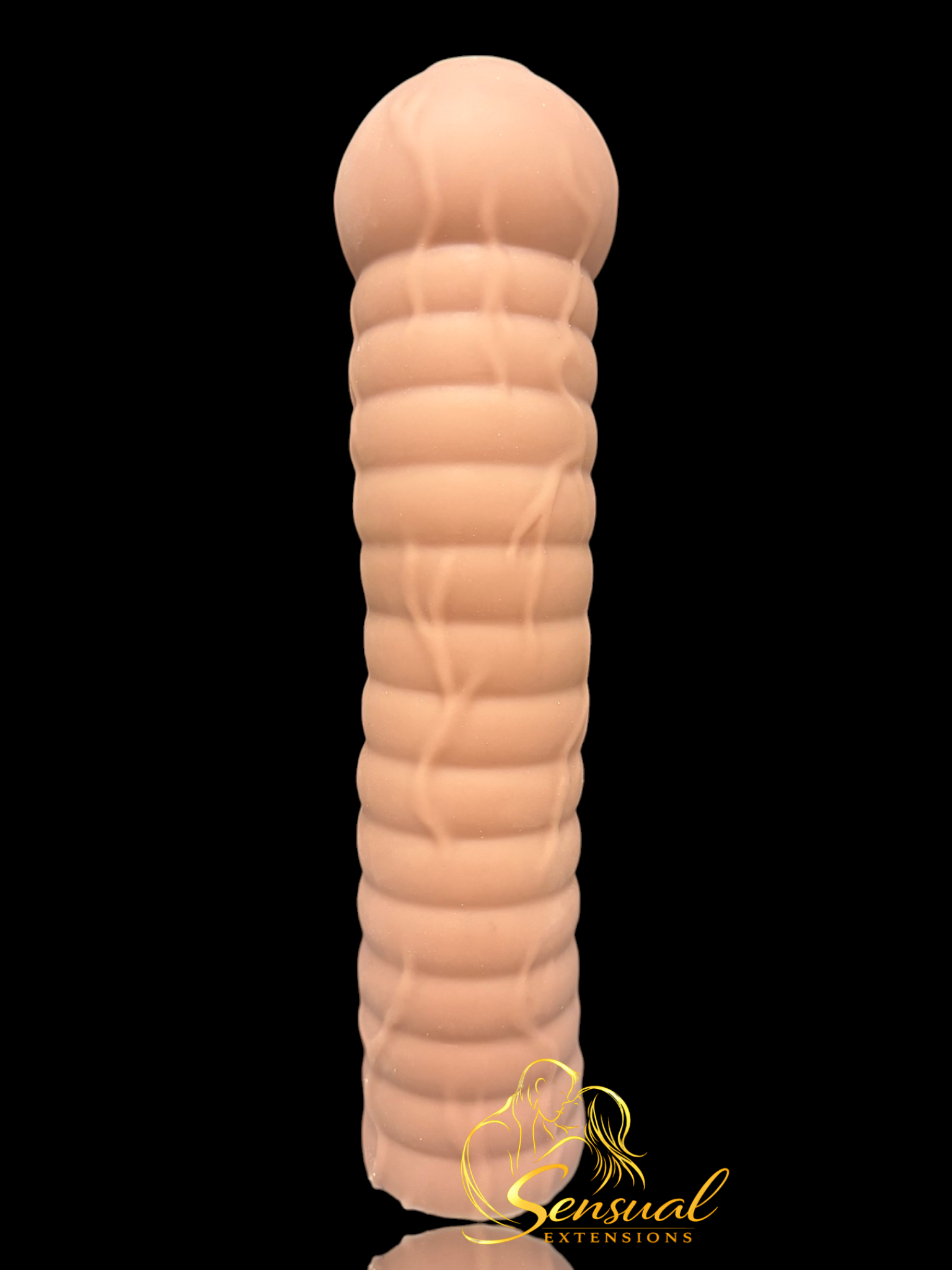
You can review the available forms in the custom penis sleeve collection. Read each product page for its exact build and options rather than assuming that extender means traction hardware.
When the model is clear and you are preparing an order, follow the current How to Order page. That resource owns the ordering process. This terminology guide should only help you identify which kind of product you are looking at.
Clear language protects the decision. Call a fitted silicone outer form a sleeve-style extender when that label is useful, and call a rod, strap, or frame system a traction device when that is what the product actually is. The difference is mechanical, not cosmetic.
Penis Extender Terminology FAQs
Does penis extender always mean a traction device?
No. Some sellers use penis extender for a wearable sleeve-style product that adds a temporary outside profile. Others use it for hardware that applies tension. Check the construction and mechanism before relying on the label.
Is a sleeve-style extender the same as a penis sleeve?
It belongs to the same wearable category when it has an internal channel and flexible outer body. The extender wording usually emphasizes added outside length, but the product remains removable and temporary.
Can a traction device be used during intimate activity?
Do not assume so. A traction device has a separate mechanical purpose and should be used only as its official instructions state. Product-specific warnings and qualified guidance take priority.
Do all products called extenders create permanent results?
No. A sleeve-style product changes the outside profile only while worn. Any permanent-result claim for traction hardware must be evaluated against reliable evidence for the exact device.
What should I ask Sensual Extensions before ordering?
Ask which models match your outside goal, what measurements are required, which density choices apply, and how the selected product should be worn and cared for. Use the exact product name when requesting help.
Decide whether you want a wearable outside profile or information about a separate traction routine. Once that distinction is clear, the product pages, measurements, and support questions become much easier to understand. Sensual Extensions can explain the construction and options available within its custom silicone range.
Call or text Sensual Extensions at (520) 457-7560 for product-specific guidance.